What Are Braces?
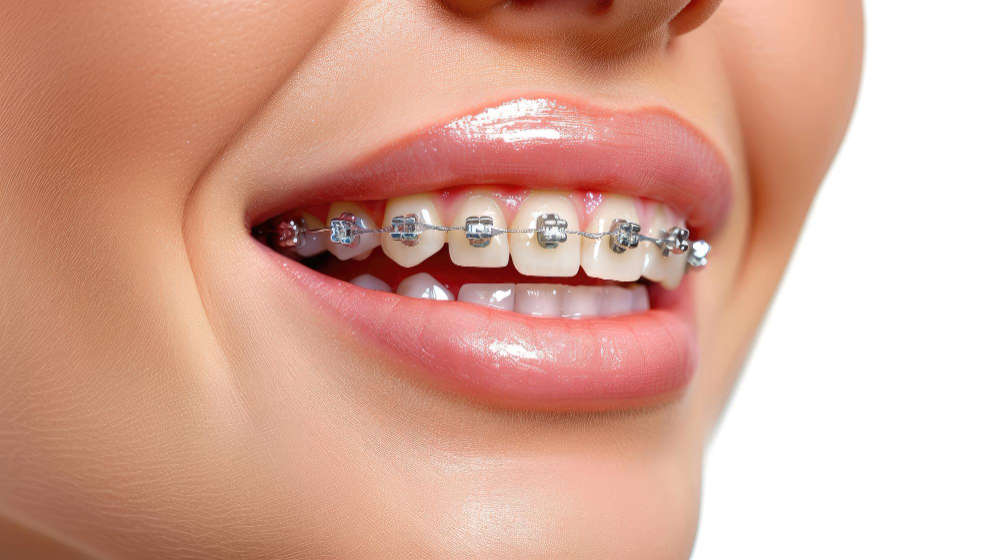
Braces are special dental devices that help straighten teeth and fix bite problems. Many people use braces as part of orthodontic treatment. They gently move teeth into better positions over time. Because braces can improve both looks and health, they are popular for children, teens, and adults.
Common Reasons for Getting Braces
People get braces for many reasons. Often, braces help with:
For many, braces are not just about looks. In fact, they can also improve oral health and prevent future dental problems.
Symptoms or Signs You May Need Braces
Sometimes, it is easy to spot signs that you may need braces. For example, you might notice:
If you see these signs, it is a good idea to visit a dentist or orthodontist.
Types of Braces Available
Today, there are several types of dental braces. Each type has its own benefits. Some common options include:
Your orthodontist will help you choose the best type for your needs.
How Braces Work
Braces use gentle, steady pressure to move teeth. Over time, this pressure shifts teeth into better positions. Wires and brackets guide the teeth. Sometimes, rubber bands or other parts help fix bite problems. Because the process is slow, it is safe for your teeth and gums.
The Process of Getting Braces
Getting braces usually involves several steps:
The whole process can last from several months to a few years, depending on your needs.
Care and Maintenance of Braces
Proper care is important for healthy teeth during orthodontic treatment. Here are some tips:
With good care, you can prevent cavities and gum problems while wearing braces.
Potential Risks and Side Effects
Most people have no serious problems with braces. However, some risks and side effects may include:
Usually, these issues are mild and go away with time or proper care. According to the American Association of Orthodontists, most side effects are temporary and manageable.
Expected Results and Benefits
Braces can give you a straighter, healthier smile. In addition, they can fix bite problems and make chewing easier. Many people feel more confident after treatment. Also, straight teeth are easier to clean, which lowers the risk of cavities and gum disease. According to the CDC, good oral health is linked to better overall health.
Tips for Living With Braces
Living with braces takes some adjustment. However, these tips can help:
With these habits, you can stay comfortable and protect your braces.
Prevention of Orthodontic Issues
While not all orthodontic problems can be prevented, some steps may help. For example, encourage children to stop thumb-sucking early. Also, regular dental check-ups can catch problems sooner. Good oral hygiene and a healthy diet support strong teeth and gums. Early visits to an orthodontist, as recommended by the American Association of Orthodontists, can help spot issues before they get worse.
Conclusion
Braces are a safe and effective way to improve your smile and oral health. If you think you or your child may need braces, consult a qualified dentist or orthodontist for personalized advice about braces.