
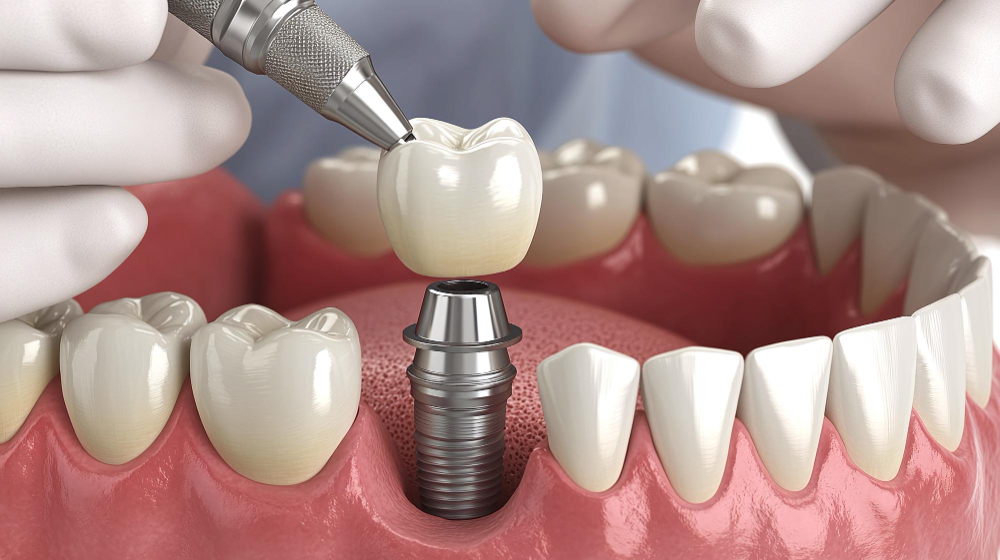
What Are Dental Implants?
Dental implants are a popular way to replace missing teeth. They act as artificial tooth roots. Usually, a dentist places them into your jawbone. Over time, the bone grows around the implant, holding it in place. After healing, a crown or artificial tooth is attached. Because dental implants look and feel like real teeth, many people choose them over other tooth replacement options.
Benefits of Dental Implants
Dental implants offer many advantages. For example, they can improve your smile and help you chew better. Here are some key benefits:
Additionally, dental implants can boost your confidence. You can eat, talk, and smile without worry.
Who Is a Candidate for Dental Implants?
Not everyone is a good fit for dental implants. However, many adults can get them. You may be a candidate if:
Still, your dentist will check your mouth and health history. Sometimes, extra steps like bone grafting are needed before you get dental implants.
The Dental Implant Procedure (Step-by-Step)
The dental implant procedure takes several steps. While the process may vary, here is a general outline:
Because healing takes time, the whole process may last several months. However, the results are often worth the wait.
Risks and Potential Complications
Dental implants are safe for most people. Still, like any surgery, there are some risks. Common dental implant risks include:
Most problems are rare and can be treated. However, following your dentist’s advice can lower your risk. If you notice swelling, pain, or bleeding, contact your dentist right away.
Aftercare and Recovery Tips
Proper aftercare helps your dental implants heal well. Here are some tips to follow:
With good care, your dental implants can last for many years. If you have any concerns, always ask your dentist for help.
Frequently Asked Questions
Are dental implants painful?
Most people feel little pain during the procedure. Local anesthesia is used. After surgery, mild discomfort is normal, but it usually goes away in a few days.
How long do dental implants last?
With proper care, dental implants can last 10 years or longer. Some people keep them for life.
Can anyone get dental implants?
Most healthy adults can get dental implants. However, your dentist will check if you have enough bone and healthy gums first.
Are dental implants better than dentures?
Dental implants are fixed and feel more like real teeth. Dentures can slip or move. However, the best option depends on your needs and health.
Conclusion
Dental implants are a strong and natural-looking way to replace missing teeth. They offer many benefits and can last for years with good care. However, it is important to know the risks and follow aftercare tips. Consult a qualified dentist to find out if dental implants are right for you.