What Are Gap Teeth?
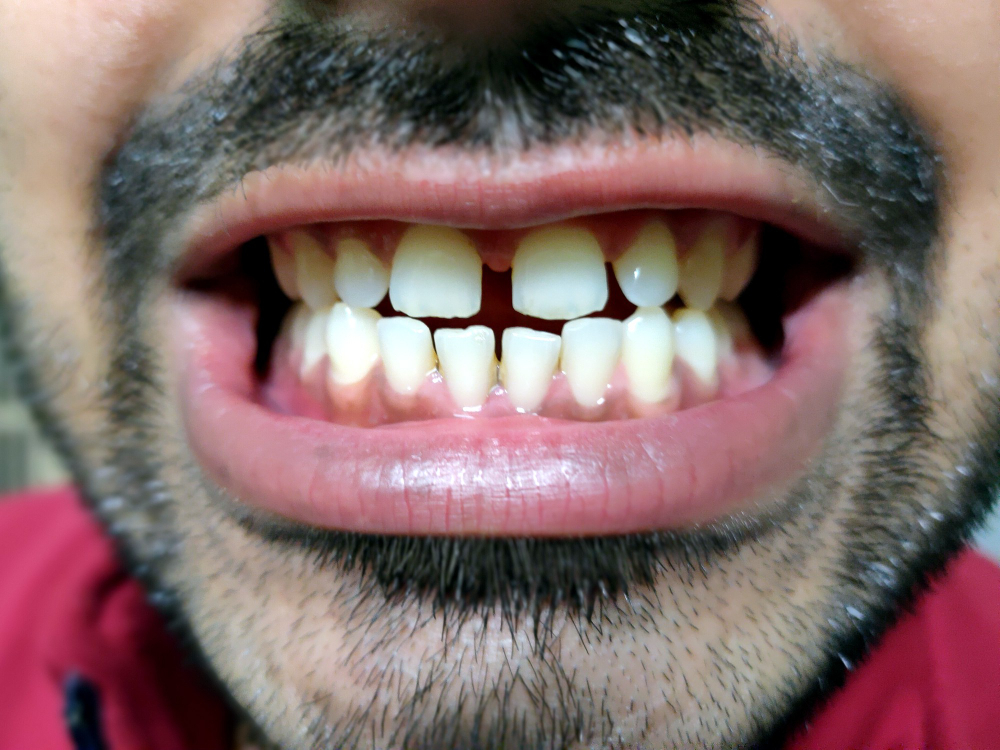
Gap teeth, also called diastema, are spaces between two or more teeth. Most often, the gap appears between the upper front teeth. Many people have gap teeth. In fact, it is common in both children and adults. Some people see it as a unique feature, while others want to close the gap for cosmetic reasons.
Common Symptoms and Effects of Gap Teeth
Gap teeth are easy to spot. You may notice a visible space between your teeth. Sometimes, food can get stuck in the gap. This can lead to discomfort or even gum problems. In some cases, gap teeth may affect your bite or speech. However, many people have no symptoms at all. Still, some feel self-conscious about their smile.
Main Causes of Gap Teeth
There are several reasons why gap teeth develop. Understanding the cause can help you choose the right treatment. Here are the most common causes:
How Dentists Diagnose Gap Teeth
First, your dentist will look at your teeth and gums. They may ask about your dental habits and family history. Next, X-rays or dental scans help check your jaw and tooth roots. Sometimes, your dentist will measure the gap. This helps them plan the best treatment. If needed, they may check for gum disease or other oral health issues.
Effective Gap Teeth Treatment Options
There are many ways to fix gap teeth. The right choice depends on your needs and the size of the gap. Below are the most common treatments:
Orthodontic Solutions
Dental Bonding
Dental bonding uses tooth-colored resin to fill the gap. The dentist shapes the resin to match your teeth. Bonding is quick and painless. It is best for small gaps and can be done in one visit.
Veneers
Veneers are thin shells placed on the front of your teeth. They cover gaps and improve your smile. Veneers look natural and last for many years. However, they may cost more than bonding.
Crowns
Crowns cover the entire tooth. They are used if your tooth is weak or damaged. Crowns can also close gaps, but they are usually for larger dental problems.
Frenectomy
If a thick tissue (frenulum) causes the gap, a dentist may suggest a frenectomy. This is a simple surgery to remove or reduce the tissue. After healing, braces or aligners may be needed to close the gap fully.
Comparing Gap Teeth Treatment Options
Lifestyle Guidance and Aftercare Tips
After gap teeth treatment, it is important to care for your teeth. Here are some helpful tips:
With good care, your results can last for many years.
Prevention Strategies for Gap Teeth
While some causes of gap teeth are genetic, you can still take steps to prevent gaps from forming or getting worse:
Find a Dentist for Gap Teeth Treatment
If you are thinking about how to fix gap teeth, a dental professional can help. Many dentists offer gap teeth treatment options. You can search online or ask friends for recommendations. For the best results, choose a dentist with experience in diastema solutions.
Conclusion: Improve Your Smile with the Right Care
Gap teeth are common and treatable. There are many safe ways to close teeth gaps and improve your smile. Each treatment has its pros and cons. Therefore, it is best to talk to a dentist for gap teeth about your options. Consult a qualified dentist to discuss the best way to fix gap teeth for your unique smile.