What is Pediatric Periodontal Disease?
Pediatric periodontal disease is a gum problem that affects children. It means the gums and tissues around the teeth become swollen or infected. Often, this condition is called gum disease in children. While adults get it more often, kids can also have gum health issues. Early care is important because healthy gums help keep teeth strong. In the US, dentists see many cases of pediatric periodontal disease each year. If left untreated, it can lead to tooth loss or other health problems. Therefore, learning about this disease helps parents protect their child’s smile.
Causes of Pediatric Periodontal Disease
Many things can lead to pediatric periodontal disease. Usually, it starts when bacteria build up on the teeth and gums. This sticky layer is called plaque. Over time, plaque can harden into tartar, which is harder to remove. However, other factors can also play a role. For example, some children may have a family history of gum disease. In addition, poor brushing or flossing habits make it easier for bacteria to grow. Sometimes, health problems like diabetes or certain medicines can increase the risk. Even crowded teeth can trap food and bacteria, leading to gum issues.
Common Symptoms in Children
It is important to spot signs of periodontal disease in kids early. Sometimes, symptoms are mild at first. But, they can get worse if not treated. For instance, children may complain about sore or bleeding gums. Also, you might notice changes in how their gums look. If you see any of these signs, it is best to talk to a dentist soon.
How is Pediatric Periodontal Disease Diagnosed?
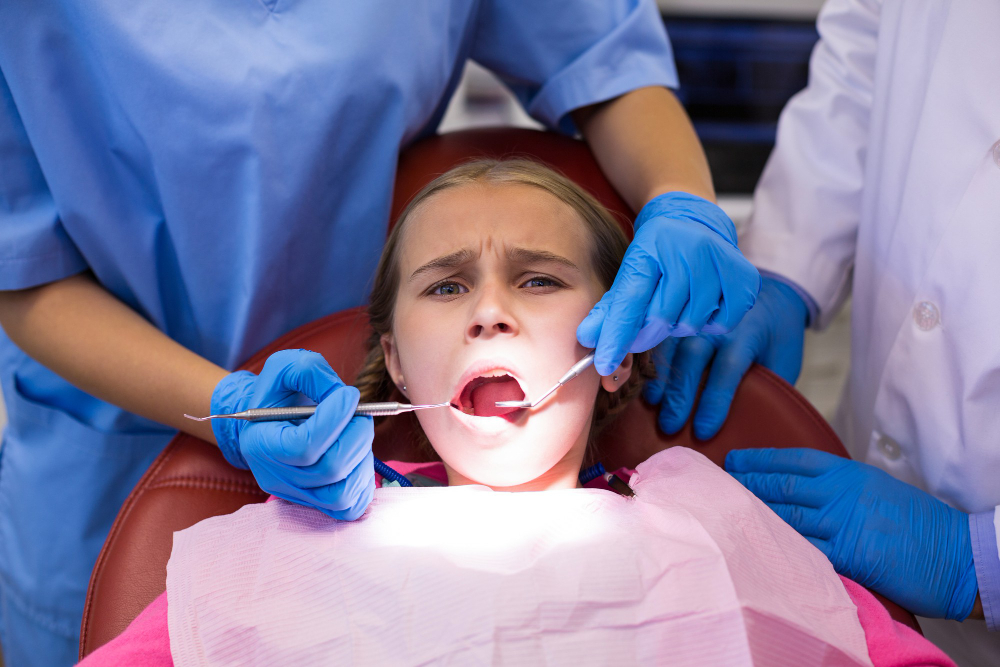
Early diagnosis is key for child gum health. Dentists use several steps to check for gum disease in children. First, they look at the gums and teeth during a dental exam. Next, they may gently measure the space between the teeth and gums. This helps find signs of swelling or infection. Sometimes, dental X-rays are used to see if bone loss has started. In some cases, the dentist may ask about family history or other health problems. With these steps, dentists can spot gum disease early and suggest the right treatment.
Treatment Options for Children
Treating pediatric periodontal disease depends on how serious it is. In mild cases, better brushing and flossing may help. However, more advanced cases need extra care. Dentists may clean the teeth and gums deeply to remove plaque and tartar. This is called scaling and root planing. Sometimes, special mouth rinses or medicines are used to fight infection. In rare cases, surgery may be needed to fix gum damage. Most children get better with early and proper care. Therefore, following the dentist’s advice is very important.
Prevention Tips for Parents
Preventing gum disease in children is possible with good habits. First, help your child brush their teeth twice a day. Use a soft-bristled toothbrush and fluoride toothpaste. Next, teach them to floss once a day to remove food and plaque. Also, regular dental check-ups are important for early detection. In addition, a healthy diet with less sugar can protect gums and teeth. If your child wears braces, make sure they clean around the wires and brackets. With these steps, you can lower the risk of pediatric periodontal disease.
When to See a Dentist
Sometimes, parents are not sure when to see a dentist. However, if you notice any signs of gum disease in your child, do not wait. For example, bleeding gums, bad breath, or loose teeth are warning signs. Even if your child has no symptoms, regular dental visits are important. Early care can prevent bigger problems later. In summary, seeing a dentist helps keep your child’s gum health strong.
For the best advice on your child’s gum health, consult a pediatric dentist. Early action can make a big difference in preventing and treating pediatric periodontal disease.